A look ahead
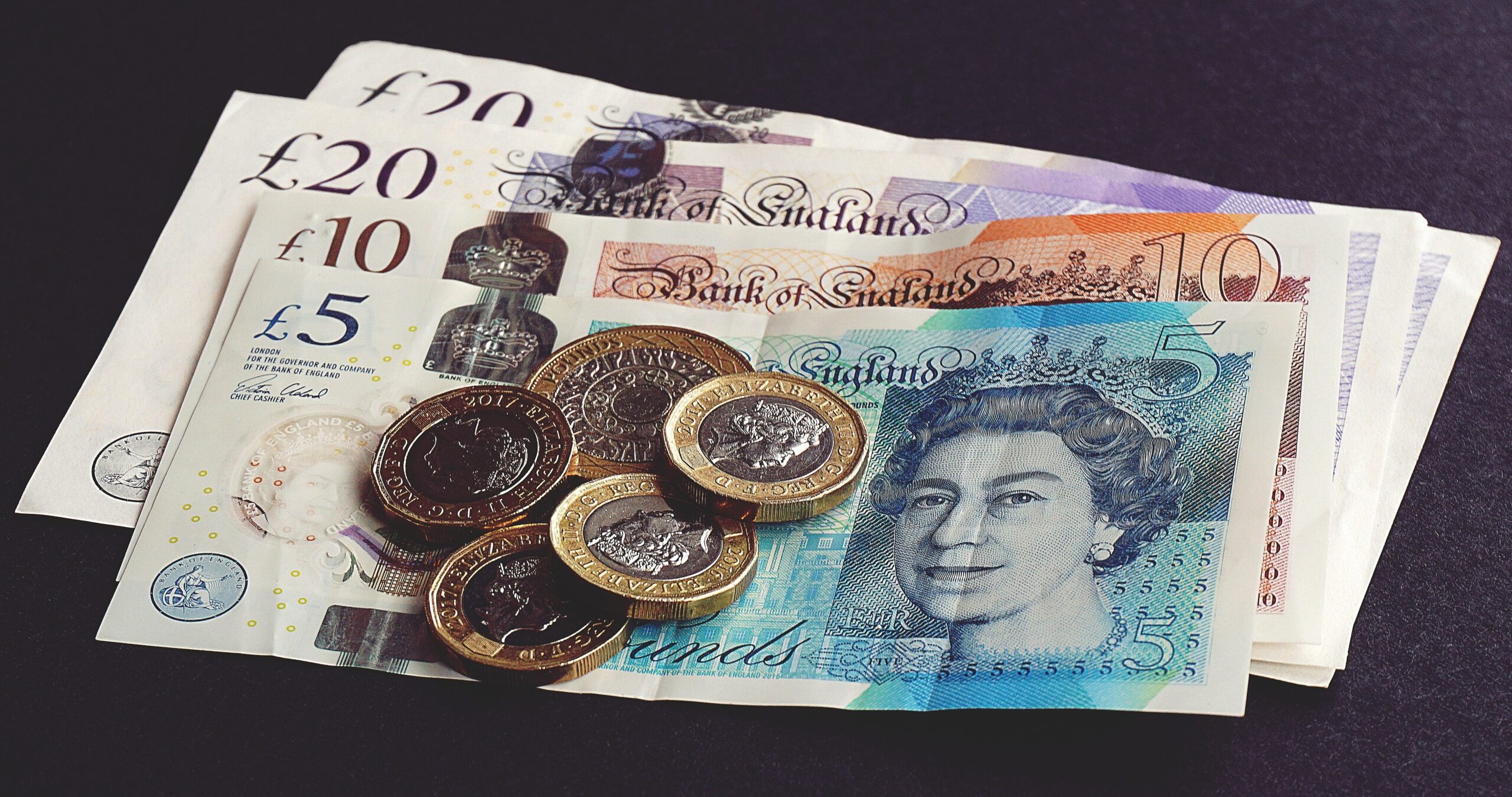
The UK Pound continues to be influenced by the gilt market and fiscal concerns. Sterling has been a very expensive short this year, contributing to its relative outperformance. In fact, the few episodes of sustained weakness we have seen tended to have either coincided with a global risk-off turn or a sharp drop in UK gilt prices. As the cost of servicing public debt rises, fiscal headroom decreases, creating a stability and growth risk for the UK economy and public finances.
The Chancellor announced the date of the next UK budget (26th November) well over a month ago now. Since then, GBP has remained relatively range-bound with key pairs more often being dictated by the counter currency than Sterling itself. Investors will be likely awaiting the contents of the Autumn budget before making significant decisions with respect to UK assets. A range-bound market is likely to endure therefore.
Options markets are pricing for significant disturbance on the 26th November. However, cast your mind back to recent UK Sterling routs and we’re reminded of elongated multi-session sell-offs. The Kwarteng-Truss mini budget of 23rd September 2022 for example saw a far more severe sell-off the session after the mini-budget, not on the day itself. The premium for options expiring in the sessions following the 26th November are not dissimilar in price to those expiring on budget-day itself. The conclusion being that the market could be caught off guard by a more protracted Sterling or gilt-market tantrum.
Discussion and Analysis by Charles Porter

Related Insights

Daily Brief – On course for Warsh?
 Charles Porter
Thu 19 Mar 2026
Charles Porter
Thu 19 Mar 2026
On course for Warsh? The latest Federal Reserve decision concluded last night. Mirroring the prior decision, the FOMC voted to keep policy rates on hold within a band of 3.5-3.75%. Ordinarily, yesterday’s meeting could have been a lesser-event. After all, with the arrival of Chair Jay Powell’s successor on May 15th, this could have been […]
Daily Brief – Where’s the Beta
Charles Porter
Thu 12 Mar 2026
Where’s the Beta Amongst FX, there exist currencies known as ‘commodity currencies’. This isn’t a fixed basket of currencies, however, particular candidates spring to mind when the group are mentioned. The foremost amongst the G10 are the Canadian, Australian and New Zealand Dollars. These currencies are so-called because they typically exhibit a positive correlation with […]

Daily Brief – The only way is $
Charles Porter
Tue 17 Mar 2026
The only way is $ The Dollar has served as the first-choice safe haven currency during this latest bout of geopolitical risk. Safe havens need to exhibit lower levels of volatility during times of elevated risk and, on balance, exhibit a negative price correlation with perceived risk. As geopolitical risk was on the rise over […]