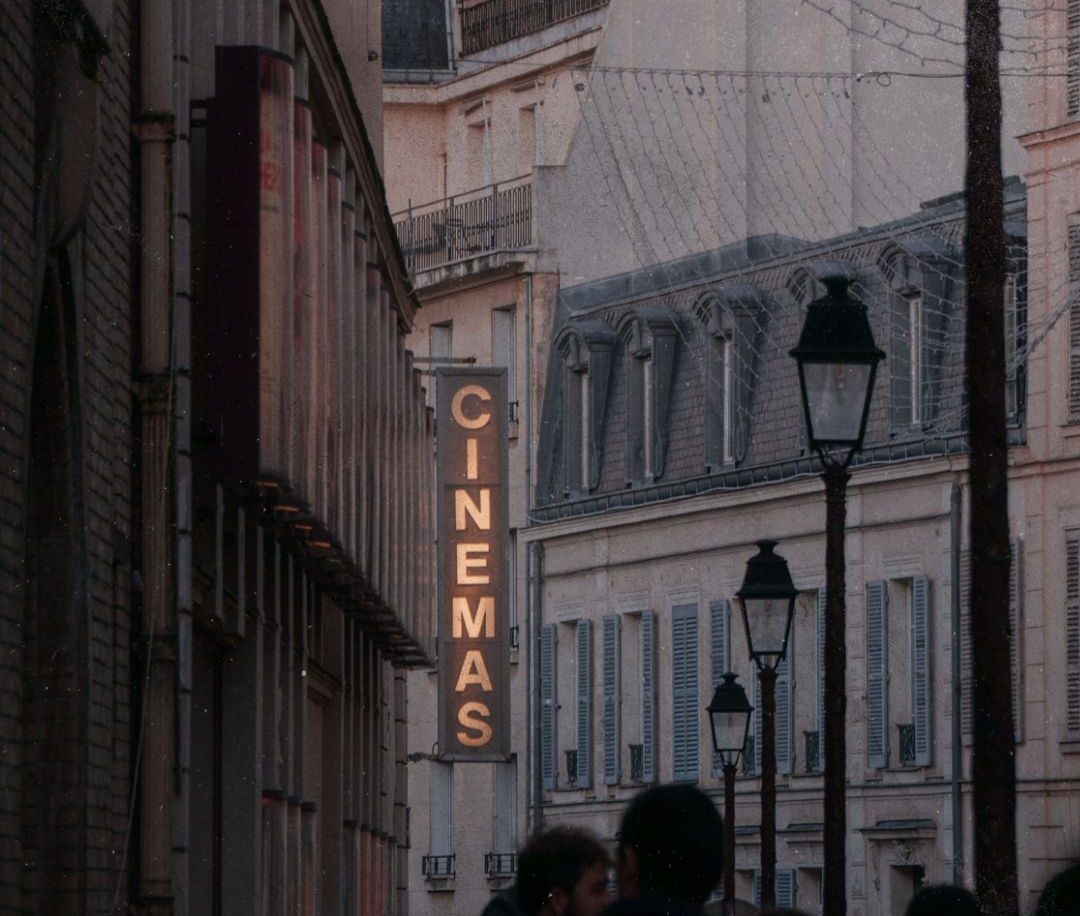
The Soundtrack: An Unsung Hero of Cinema
Film soundtracks are among cinema’s most powerful storytelling tools, yet audiences often absorb their influence without noticing. A score can build dread, signal emotional shifts, or make an image linger long after the film ends.
Recent releases show how varied that work can be. Ari Balouzian’s score for Primetime (2026) feels uncanny yet lively, while Hays Holladay and Ryan Holladay’s music for Resident Evil (2026) instils both motivation and dread throughout the film, keeping the viewer constantly engaged, but also on edge. These two films wouldn’t be as immersive without their soundtracks.
I admit I personally found Christopher Nolan’s The Odyssey (2026) underwhelming overall; however, its siren-song sequence was a striking and lasting highlight for me. Many critics have also singled it out as particularly memorable, and the reason is the soundtrack: its haunting music makes the brief scene feel beautiful, but also dangerous. It elevates the following scene where Odysseus contemplates the purpose of his journey home. This is familiar territory for Nolan. In Interstellar (2014) and Inception (2010), music is central to the experience, shaping our sense of scale, tension, and wonder. Interstellar without Hans Zimmer’s soundtrack is just not Interstellar anymore.
A great soundtrack does more than accompany the film’s images; it sets the tone and builds the immersion of each scene. Even in its absence, it should be noticeable. So, next time you have a moment, listen to the soundtrack of one of your favourite films. You may discover how profoundly it shapes your understanding of the story and cinema in general.
Related news

The Wonders of India
There are some places you visit, and then there are places that leave you wanting more. India has certainly become one of those places for me. A few months ago, I had the pleasure of returning to Mumbai for the third time, and as with my previous visits, I came away with a whole new […]
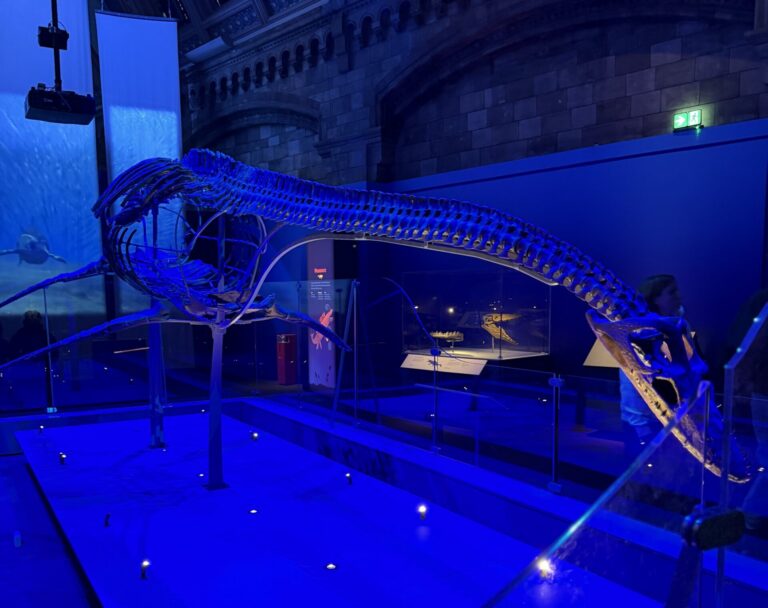
Trick-or-Treating with the Ichthyosaurus
On the spookiest night of the year, while everyone else was busy hunting ghosts, I decided to hunt something a little more prehistoric at the Natural History Museum!And apparently, I wasn’t the only one on a mission. The museum was crawling with Pokémon trainers, presumably searching for their next rare catch, alongside witches, vampires and […]
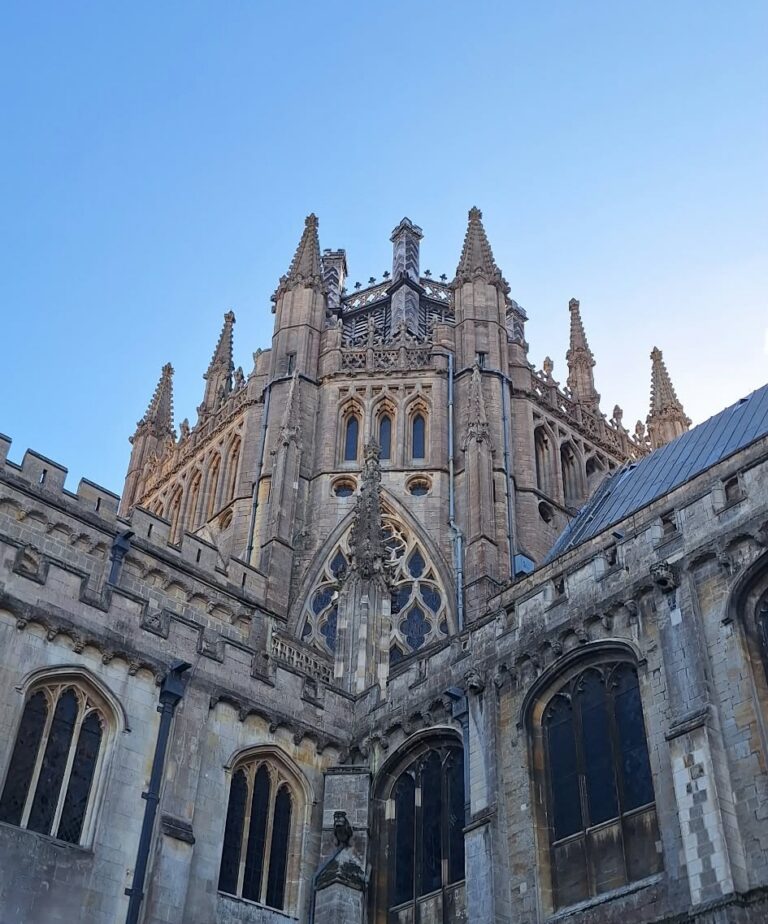
A Trip to Ely – Friends, Food and Autumn Fun
This October, we headed to the beautiful cathedral city of Ely in Cambridgeshire to visit our friends. It was the perfect excuse for a change of scenery and a chance to discover what this charming little city has to offer. Exploring ElyEly might be one of England’s smallest cities, but it certainly doesn’t lack character!With […]