
EU Exposure to Iran War
With gas prices up 60% in the wholesale market this week and inventories depleted due to the winter months and standing at 30%, it is fair to say that the EU is exposed and it does not take a genius to see what will happen to domestic gas prices should the current war continue. The Straits of Hormuz until this week see 20% of the world’s LNG pass through and Qatar supplies 15% of the EU’s LNG. After 2022, the EU switched from Russia to Qatar for its gas requirements. So what are the likely economic effects on the EU? Inflation will rise by between 0.3% to 0.5%; household expenditure will reduce in the face of higher energy costs; economic growth will in turn drop by 0.1% to 0.2%, unless of course all those cheerful forecasts of the war finishing in the next 2 weeks are proven wrong. In summary, the EU having switched from Russia to Qatar has opened itself to disruption in the global shipping industry and to the geopolitical tensions rippling across the Middle East.
EUR/USD 1.1598.
Oil
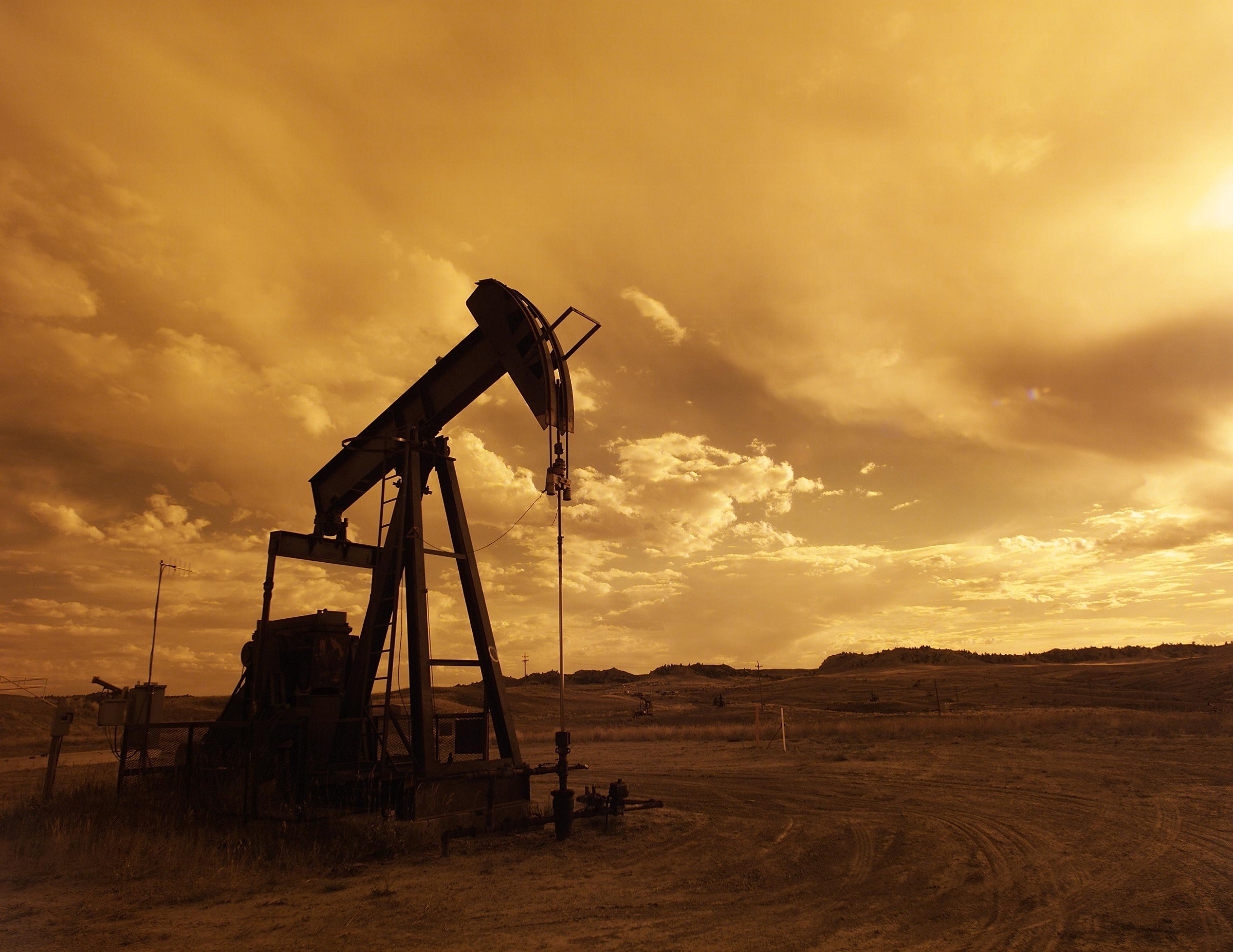
With the Straits of Hormuz blocked and no sign of POTUS being in a position to escort ships safely through, supplies by sea have seized up from the Gulf. Supply security has meant some oil producers halting their output and consequently some oil refineries in China, India, and the Middle East have shut their crude units. There are currently 300+ oil tankers queuing outside the Straits of Hormuz, and if that situation does not ease in the next few days, Iraq and Kuwait will have to cease production with no further storage capacity which will cut world oil supplies by 3.3 million barrels per day. Unsurprisingly, the oil market continues to mark up prices with Brent up 3.6% yesterday at $84.30.
GBP/EUR 1.1507.